

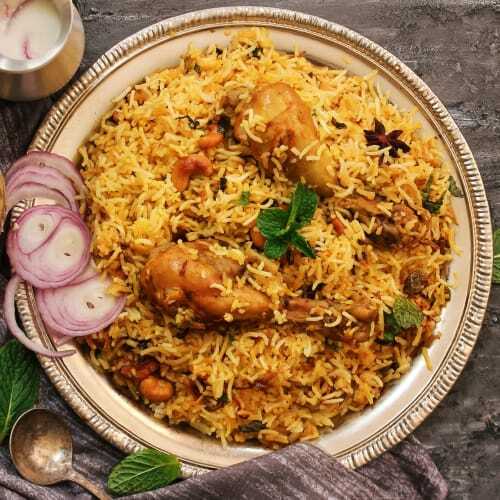
Biryani is not just a dish. It is an emotion, a tradition, and honestly, a whole conversation on its own. Every region in India has its version, and every version comes with loyal fans ready to argue all night. But when it comes to the ultimate debate, Hyderabadi Biryani sits at the top of the table.
We at Dhamaka Indian Restaurant have served this royal dish with pride, and today we are breaking down exactly what makes it different.
What Makes Hyderabadi Biryani So Special?
The magic of Hyderabadi Biryani lies in a single word: dum. The meat and rice are layered raw and cooked together inside a sealed pot over slow heat. No shortcuts. No pre-cooking the meat separately.
This method, called dum pukht, locks in every drop of moisture and flavour. The result? Rice that carries the soul of the spices. Meat that falls right off the bone.
Key features of authentic Hyderabadi Biryani:
• Raw meat layering with marinated chicken or mutton
• Dum cooking technique in a sealed vessel
• Rich use of saffron, fried onions, and whole spices
• A bold, smoky aroma that hits before you even open the pot
How Other Regional Biryani Styles Compare
Lucknowi (Awadhi) Biryani
Lucknowi Biryani is the gentle cousin in the biryani family. The meat is cooked separately in gravy before being layered with rice. It is milder, fragrant, and light on the palate.
• Softer spice profile
• Kewra water and rose water are common
• Elegant and subtle in flavour
Perfect for those who prefer a delicate taste. But if we are being honest, it does not carry the same punch as Hyderabadi Biryani.
Kolkata Biryani
Kolkata Biryani tells a story of cultural blending. Influenced by Awadhi traditions, it features a boiled egg and potato alongside the meat. Slightly sweet, very light, and low on heat.
• Uses aloo (potato) as a signature ingredient
• Milder spice blend
• More rice, less meat in most servings
A unique style for sure. But the depth of flavour? Not quite the same league.
Sindhi and Memoni Biryani
These are the spiciest biryani styles from the subcontinent. Sindhi Biryani uses tomatoes, prunes, and fried potatoes. Memoni Biryani skips the food colouring and goes heavy on heat.
• Sharp, tangy, and very hot
• Less rice, more gravy
• Strong regional spice combinations
Bold flavours, absolutely. But the balance that Hyderabadi Biryani achieves between spice, aroma, and tenderness is genuinely hard to match.
The Spice Story: A Quick Comparison
| Biryani Style | Spice Level | Key Flavour | Cooking Method |
|---|---|---|---|
| Hyderabadi | Medium-High | Smoky, rich, bold | Dum (raw meat) |
| Lucknowi | Mild | Floral, delicate | Pre-cooked meat |
| Kolkata | Mild | Subtle, slightly sweet | Pre-cooked meat |
| Sindhi | Very High | Tangy, sharp | Pre-cooked meat |
Why We Always Return to Hyderabadi Biryani
There is a reason Hyderabadi Biryani has crossed borders and oceans. It is not just about the spices. It is the complete experience. The colour, the steam rising from the pot, the layers of golden rice, the tender meat underneath. Every bite is different from the last.
At Dhamaka Indian Restaurant, we prepare our biryani true to its roots. Every grain of rice is cooked with intention. Every portion carries the warmth of a kitchen that genuinely cares about what it serves.
Final Thoughts: One Biryani, One Clear Winner
Every biryani style deserves its respect. We appreciate the softness of Lucknowi, the quirky charm of Kolkata, and the fire of Sindhi. But Hyderabadi Biryani remains the gold standard. It balances boldness with complexity. It satisfies on every level.
Visit Dhamaka Indian Restaurant and taste the difference for yourself. Some things are better experienced than explained.

