

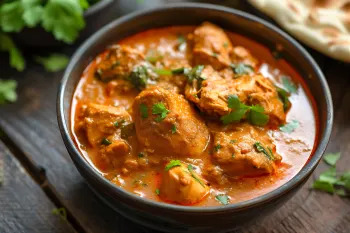
Halal food is more than a label. It is a standard, a commitment, and for millions of people, a non-negotiable part of daily life. Whether you are Muslim or simply someone who values food integrity, understanding what halal means can completely change how you choose where to eat.
What Does Halal Actually Mean?
The word halal comes from Arabic, meaning "permissible" or "lawful." In the context of food, it refers to what is allowed under Islamic dietary law.
Here is what makes food truly halal:
• The animal must be healthy at the time of slaughter
• It must be slaughtered by a Muslim, in the name of God
• The blood must be fully drained from the body
• No pork or pork-derived ingredients are used
• No alcohol or intoxicants are present in preparation
It is not just about the meat, though. Halal certification covers ingredients, cooking oils, sauces, and even the equipment used. Cross-contamination with non-halal items can void the status entirely.
Why Halal Food Matters Beyond Religion
Here is something worth knowing: halal food is not only for Muslim diners. Millions of non-Muslim customers actively choose halal restaurants for reasons that have nothing to do with faith.
Quality and hygiene. The slaughter process requires strict cleanliness. Animals must be healthy, and blood drainage reduces bacterial growth. Many food scientists acknowledge that halal meat is often fresher and cleaner as a result.
Ethical sourcing. The halal process demands that animals are treated well before slaughter. No stress, no mistreatment. For people who care about ethical eating, this matters deeply.
Transparency. A restaurant that follows halal standards has been held accountable. That accountability extends to how food is stored, prepared, and served.
How to Spot a Genuine Halal Restaurant
Choosing the right place is not always straightforward. Here are a few things we always recommend checking:
1. Look for certified halal signage - not just a claim, but actual certification from a recognised body
2. Ask about cross-contamination - do they use separate utensils and cooking surfaces?
3. Check the menu - alcohol in cooking sauces or marinades can make a dish non-halal
4. Read reviews from the Muslim community - they are the most reliable source on this
A restaurant that takes halal food seriously will be transparent. No hesitation, no vague answers.
Why Indian Cuisine and Halal Food Are a Natural Pair
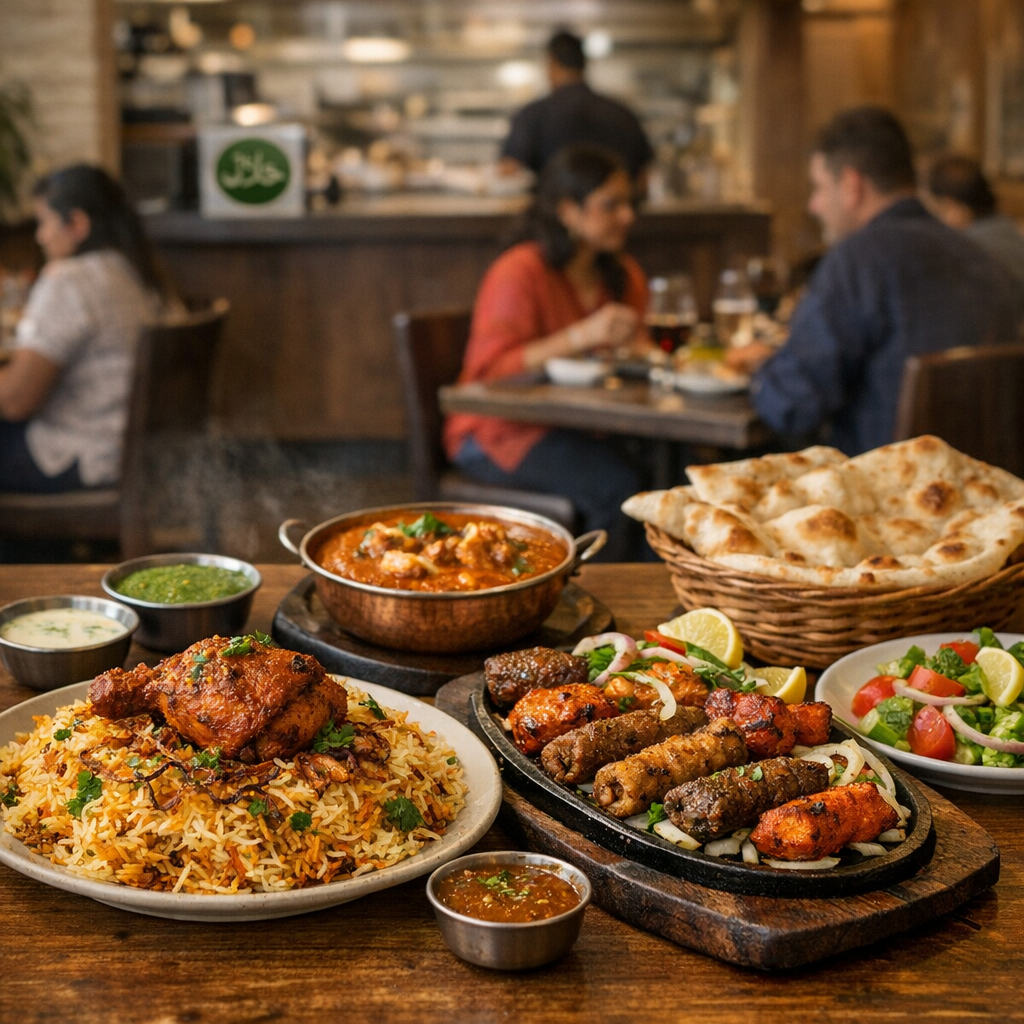
Indian cuisine has deep roots in halal cooking. From the Mughal kitchens of history to the rich biryani, kebab, and curry traditions we celebrate today, much of Indian food culture evolved within halal culinary practices.
Spices like cardamom, cumin, coriander, and turmeric do not just add flavour. They were historically used to complement the natural taste of halal-prepared meats. The results are dishes that are bold, complex, and deeply satisfying.
At Dhamaka Indian Restaurant, this tradition is taken seriously. The menu reflects authentic North Indian and Mughlai influences, with dishes crafted to honour both flavour and halal integrity. From smoky tandoori grills to slow-cooked curries, every dish is built around quality ingredients and respectful preparation.
What to Expect From a Good Halal Indian Restaurant
When we walk into a proper halal Indian restaurant, these are the signs of a genuinely good experience:
• Rich, aromatic dishes cooked with fresh spices, not powdered shortcuts
• Halal-certified meats used consistently across the menu
• Staff who can confidently answer your questions about ingredients
• A warm, welcoming environment that suits families and solo diners alike
• Portions that actually fill you up (important, honestly)
Dhamaka Indian Restaurant ticks these boxes. The atmosphere is relaxed, the food is generous, and the cooking stays true to Indian culinary roots.
Making the Right Choice Matters
Choosing a halal restaurant is about more than dietary rules. It is about trust, quality, and knowing exactly what goes into your meal. For Muslim diners, it is essential. For everyone else, it is simply a smart, informed choice.
When you combine authentic Indian flavours with genuine halal standards, you get food that is not just permissible. It is exceptional.
